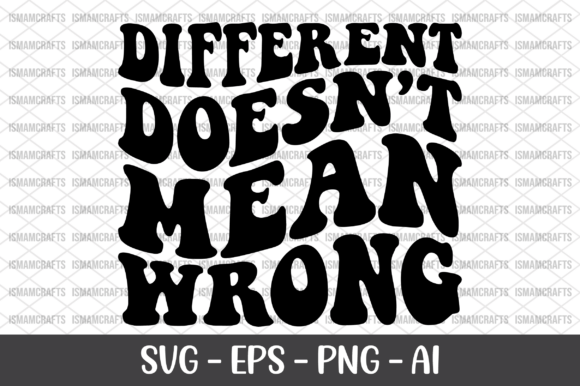
Different Doesn't Mean Wrong Retro SVG for T-Shirt Designs
As an experienced blog designer and digital publisher, I’ve reviewed countless graphic design assets over the years. The Different Doesn't Mean Wrong Retro SVG stands out as a versatile and visually appealing option for content creators looking to elevate their editorial designs. This retro-themed graphic design asset offers a unique blend of nostalgia and modern appeal, making it a valuable addition to any content publishing workflow.
Aesthetic Appeal and Editorial Mood
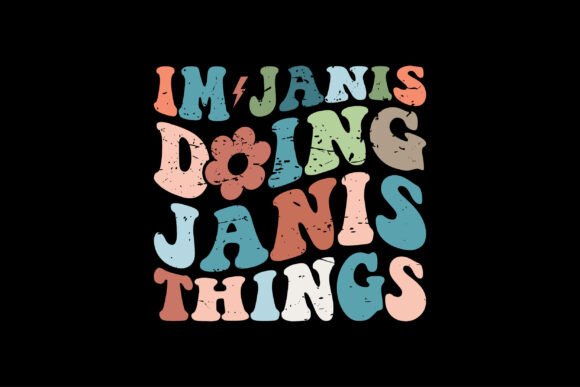
The first impression of Different Doesn't Mean Wrong Retro SVG is its bold yet approachable aesthetic. It radiates a playful and artistic vibe that feels both nostalgic and contemporary. The retro elements in the design suggest a lifestyle-focused or creative niche, which makes it ideal for content centered around fashion, personal development, or creative expression. Its visual language supports a warm, inviting tone that can enhance reader engagement and perception.
Real Publishing Workflow Integration
When preparing visuals for a content website or affiliate blog, this graphic design asset can be used in multiple ways. Here are some practical applications:
- Blog Featured Images: The Different Doesn't Mean Wrong Retro SVG can serve as a striking header for articles on creativity, self-expression, or lifestyle topics.
- Pinterest Graphics: With its eye-catching design, it's perfect for Pinterest pins that aim to attract clicks and shares.
- Newsletter Headers: Incorporating this graphic into newsletter banners can help establish a consistent brand identity and reinforce editorial themes.
- Social Media Previews: As a social media graphic, it adds visual interest to posts while maintaining a cohesive look across platforms.
- Downloadable Resources: Use it as part of digital guides, worksheets, or printable designs to enhance the overall presentation of your content.
Supporting Content Performance
This graphic design asset contributes to stronger first impressions and better click-through potential. Its visual hierarchy helps guide the reader’s attention, improving readability and engagement. By using Different Doesn't Mean Wrong Retro SVG, you can achieve more consistent branding and build stronger reader trust through polished, professional-looking content pages.
Where This Design Works Best
This retro-inspired graphic design shines in several key areas:
- Hero Images: Perfect for website headers that need to grab attention immediately.
- Article Thumbnails: Ideal for blog thumbnails that need to stand out in feeds.
- Pinterest Pins: Great for creating shareable graphics with high click-through rates.
- Editorial Accents: Can be used as background elements or accents within editorial layouts.
- Content Upgrades: Enhances downloadable resources like lead magnets or digital guides.
- Category Visuals: Helps readers quickly identify content categories with a unified visual theme.
Where to Use with Caution
While this design is highly versatile, there are situations where it may not be the best fit. Avoid using it for small mobile thumbnails, text-heavy blog images, or low-contrast backgrounds. It might also clash with serious professional niches or corporate content that requires a minimal visual system.
Practical Publisher Notes
To ensure optimal performance, test the Different Doesn't Mean Wrong Retro SVG on both desktop and mobile screens. Check how it looks as a thumbnail and preview it inside a real blog layout. Test it with headline text to ensure contrast and readability are maintained. Try it in black and white to see if it still holds visual appeal. Place it beside various font styles—serif, sans serif, script, handwritten, and display fonts—to evaluate compatibility.
Also, review the file size for web performance and compress images properly to maintain fast loading times. Finally, confirm commercial licensing before using it on monetized websites, affiliate pages, or paid content products.
Conclusion: A Valuable Addition to Your Design Toolkit
The Different Doesn't Mean Wrong Retro SVG is a powerful graphic design asset that enhances blog visuals, website branding, and editorial content. Whether you're creating Pinterest pins, newsletter headers, or downloadable resources, this retro design adds a unique touch that resonates with creative audiences. As a digital publisher, I recommend testing it thoroughly and integrating it strategically into your content marketing efforts for maximum impact.